November 2023 se Red Sea mein ek ongoing war chal rahi hai — aur is war mein sab se zyada khatre mein hain Indian seafarers. Yemen ke Houthi rebels ne international shipping routes pe systematic attacks shuru kiye — drones se, missiles se, aur boats se. In attacks mein ek alarming pattern hai: bahut se targeted ships mein Indian crew members hain. Aur India ka response? Largely inadequate — cautious aur reactive.
Red Sea Crisis — Background Kya Hai
Red Sea duniya ke sabse important shipping lanes mein se hai — Suez Canal ke through Asia-Europe trade ka roughly 12-15% yahan se guzarta hai. November 2023 mein, Gaza-Israel war shuru hone ke baad, Yemen ke Houthi rebels ne declare kiya ki woh Israeli-linked ya Western ships ko target karenge “Gaza ke solidarity mein.” Lekin practically, unhone kaafi indiscriminately ships attack kiye hain — Indian, Chinese, aur neutral ships bhi hit hui hain.
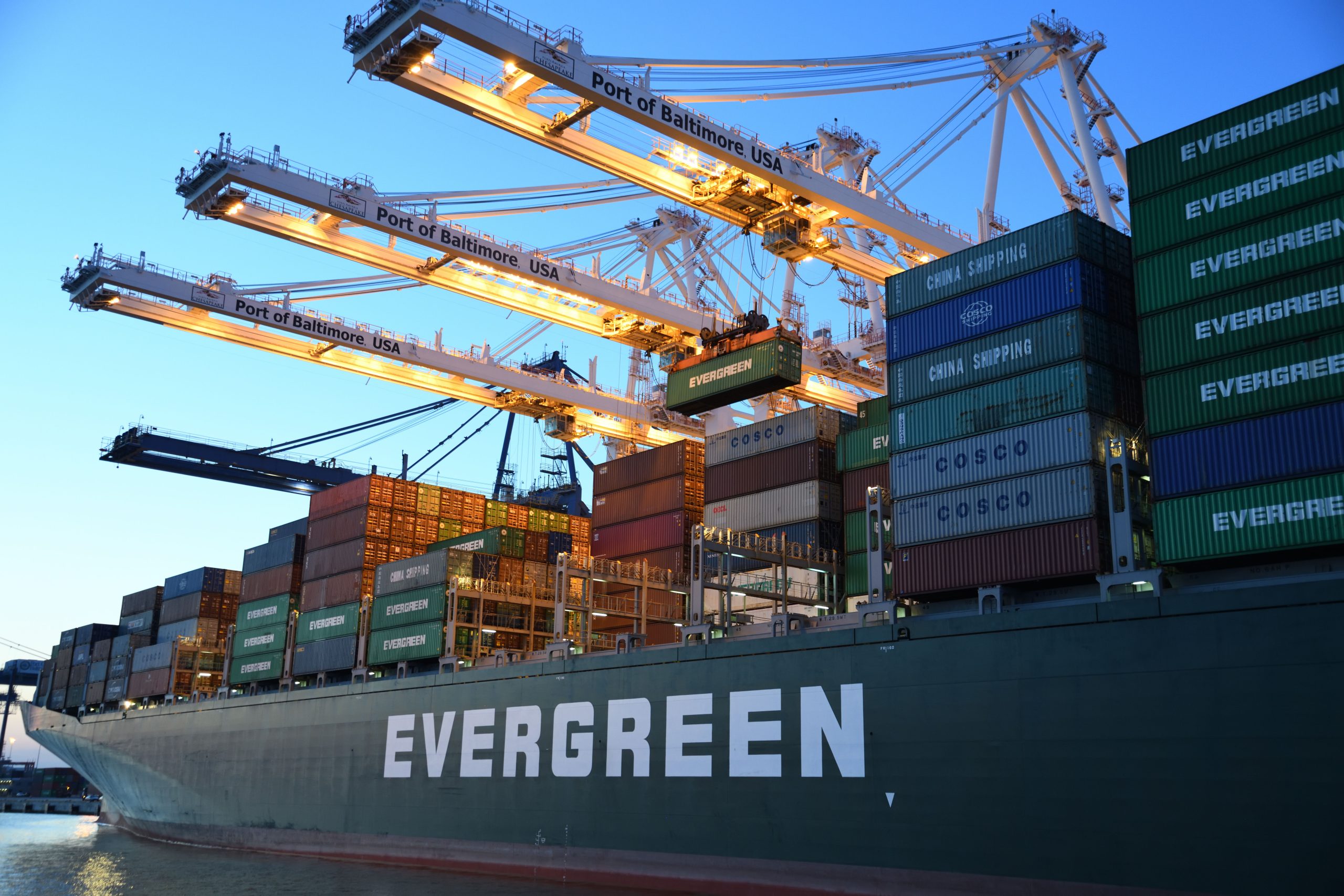
India ke liye yeh particularly sensitive hai kyunki India globally top seafarer-supplying countries mein hai — roughly 2.4 lakh Indian seafarers international ships pe kaam karte hain. Red Sea route pe travel karne wale ships mein Indian crew hona common hai. Jab koi ship attack hoti hai — Indian sailors ki jaan khatre mein hoti hai.
Specific Incidents — Numbers Aur Facts
December 2023: MV Chem Pluto, ek Indian-managed chemical tanker, India ke coast ke paas drone attack se hit hua. Ek crew member injured. Yeh Indian waters ke near tha — India ke backyard mein attack.
February 2024: MV True Confidence, ek Barbados-flagged cargo ship, Houthi missile se hit hua Gulf of Aden mein. 3 crew members killed — including Indian nationals. Yeh Red Sea crisis ka sabse tragic incident tha Indian perspective se.
March 2024: MSC Sky II cargo ship pe attack. Multiple Indian crew members aboard — sab safe nikle lekin ship ko damage hua.
Overall 2024-2025 mein 60+ shipping attacks Houthis ne kiye — aur in mein se kaafi pe Indian crew members the.
US Aur Western Response — Aur India Ka Position
January 2024 mein US aur UK ne Yemen mein Houthi military positions pe airstrikes shuru kiye — Operation Prosperity Guardian ke naam se. NATO allies, Australia, aur kuch Arab countries ne saath diya. Goal: Houthi missile aur drone capability degrade karna taaki shipping safe ho.
India ka response is joint operation mein? India ne participate nahi kiya. India ne specifically Operation Prosperity Guardian join karne se inkar kiya — “non-alignment” aur “strategic autonomy” cite karke. Lekin India ne apni INS Visakhapatnam aur baaki warships Red Sea mein deploy kiye — independent escort aur surveillance ke liye.
Yeh position defensible hai strategically — India West se alag stance rakhta hai Middle East issues pe. Lekin critics kehte hain: jab Indian sailors maar rahe hain Houthi attacks mein, “strategic autonomy” ki keemat bahut zyada hai.
India Ka Naval Response — Kya Kiya, Kya Kaam Aaya
Indian Navy ne Red Sea aur Gulf of Aden mein significant naval presence deploy ki hai. Key actions:
- INS Visakhapatnam, INS Chennai, INS Kolkata — guided missile destroyers Red Sea region mein
- P-8I surveillance aircraft — maritime patrol ke liye
- Merchant vessel escorts — Indian Navy ne 100+ ships escort kiye hain crisis ke dauran
- Hostage rescue operations — hijacked ships ke crew members ko bachaya
January 2024 mein INS Chennai ne MV Lila Norfolk — ek Liberia-flagged ship jisme Indian crew tha — ko pirates se bachaya aur 15 Indian crew members safe nikale. Yeh ek direct success tha Indian Navy ka.
Lekin naval escort sab attacks nahi rok sakti. Ek warship ek time mein ek hi area cover kar sakta hai. Red Sea bahut badi hai — aur Houthis ke paas hundreds of drones hain jo multiple directions se launch ho sakte hain.
Compensation Aur Government Response — Yahan Asli Problem Hai
Jab MV True Confidence pe 3 crew members mare — unki families ko India mein kya mila? Yeh sawaal important hai aur jawab disappointing hai.
Seafarers’ compensation in India primarily ship operator ki liability hai — national laws aur international maritime conventions ke under. Agar ship foreign-flagged hai (jo majority hain), toh Indian government directly compensation nahi deti — woh flag state aur ship operator pe depend karta hai. India ke MEA ne “diplomatic support” offer kiya — lekin direct compensation mechanism nahi hai.
Comparison: Jab Indian soldiers border pe shaheed hote hain — clear state compensation, family pension, ex-gratia payment sab kuch hota hai. Jab Indian seafarers international waters mein mare jaate hain — families ko lawyers se ladhna padta hai foreign companies ke against. Yeh policy gap hai jo urgently fix hona chahiye.
Shipping Costs Pe India Ka Direct Impact
Red Sea crisis ka India ki economy pe direct impact pada hai — jo kaafi kam discuss hota hai. Red Sea route block/risky hone ki wajah se ships Cape of Good Hope (Africa ke neeche) se ja rahi hain — yeh route 10-14 din longer hai aur kaafi zyada costly.
- Shipping costs 150-300% badh gayi peak crisis mein
- India ki exports delayed — especially EU ko
- Oil imports costlier — India ka major import route yahan se hai
- Export losses estimated ₹10,000+ crore affected sectors mein
India ka Iran se oil import bhi is context mein complicated hai — Iran Houthis ka supporter hai. India diplomatically careful rehta hai Iran ke saath kyunki energy dependence hai.
Ethical Debate — Kya India Ko Join Karna Chahiye Tha Western Coalition?
Yeh genuinely complex question hai — dono taraf ke arguments strong hain.
Join karne ke liye: Indian sailors marr rahe hain. Indian economy ko nuksaan ho raha hai. India ek naval power hai jo Red Sea security mein contribute kar sakta hai. Western countries ke saath defense ties strengthen honge. Houthis ke against action strategically sahi hai.
Join nahi karne ke liye: India ka Middle East mein direct military action involve hona risky hai. Arab world ke saath relationships kharab ho sakte hain — jo Indian diaspora aur oil imports dono ke liye zaroori hain. Yeh “non-alignment” India ki foreign policy ka core pillar hai. US-led operations mein involve hone ka matlab hai US ke interest ke saath align hona — jo India ke long-term interests se hamesha match nahi karta.
India ne jo choose kiya — independent naval deployment — yeh ek middle path hai. Lekin middle paths kabhi kabhi neither here nor there hote hain. Kya yeh enough tha Indian sailors ki safety ke liye? Numbers batate hain — nahi, completely nahi.
Aage Ka Raasta — India Kya Kare
Kuch specific recommendations jo genuinely help karenge:
- Seafarers Compensation Act — direct state compensation mechanism Indian seafarers ke liye jo international waters mein kaam karte waqt maar jaayein ya injure ho jaayein
- Conflict Zone Bonus — legally mandated extra pay jab seafarers high-risk routes pe jaayein
- Diplomatic pressure on Houthis — India ke Yemen se relations hain, woh channel use karo
- Enhance naval presence — aur warships aur coordination
- Insurance framework — war risk insurance affordable banana Indian seafarers ke liye
India ek aspiring global maritime power hai. INS Vikrant aircraft carrier banaya, naval modernization ho rahi hai. Lekin jab apne hi citizens international waters mein marr rahe hain — aur compensation mechanism nahi hai — toh maritime power hone ka kya fayda?
Neutral conclusion: Houthis galat hain — ships attack karna, trade disrupt karna, sailors marna — yeh condemnable hai. India ka naval response praiseworthy hai jo kiya. Lekin policy gap — seafarers ke liye compensation aur protection framework — yeh address hona chahiye without delay.