20 saal ki negotiations, 2013 mein talks collapse, 2022 mein restart, aur finally 27 January 2026 ko New Delhi mein “mother of all deals” sign hui — yeh phrase khud European Commission President Ursula von der Leyen ne use ki. India-EU Free Trade Agreement — duniya ka sabse bada trade zone ban gaya hai: 2 billion consumers, global GDP ka 25%. Deal abhi legal vetting aur ratification process mein hai — full implementation 2027 tak expect ki ja rahi hai. Lekin iska matlab samjhne ke liye — aam aadmi se lekar bade business tak — yahan complete breakdown hai.
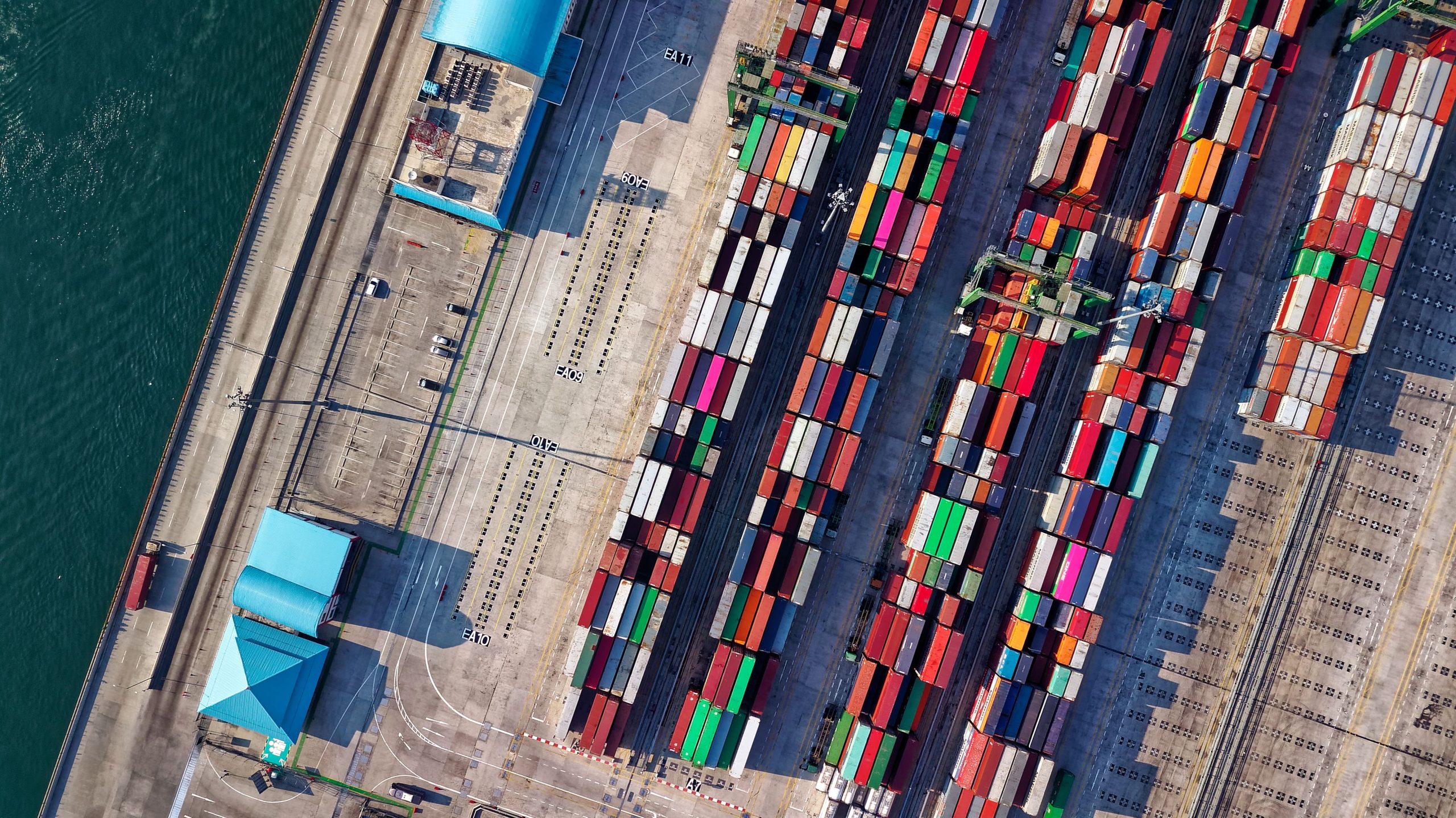
Yeh Deal Itni Badi Kyun Hai — Numbers Dekho
EU India ka sabse bada trading partner hai already — €180 billion ka annual trade goods aur services mein. India-EU trade 2024 mein €120 billion tha sirf goods mein — India ke total trade ka 11.5%. Doosri taraf, India EU ke liye sirf 9th largest trading partner hai (2.4% of EU’s total trade) — matlab EU ke liye yeh deal proportionally chhota hai, lekin future growth potential ke hisaab se massive hai.
Core numbers: India EU ke 96.6% exports (by value) pe tariffs eliminate ya reduce karega. EU India ke 99.5% exports pe tariffs kam karega. European Commission ka projection: $4.7 billion annual duty savings, aur EU exports India ko 2032 tak double ho sakte hain.
Yeh Deal Ab Kyun Hui — 20 Saal Baad
Yahan genuinely interesting geopolitical context hai. Negotiations 2007 mein shuru hui thi, 2013 mein patent protection, data security aur professional mobility jaise issues pe collapse ho gayi thi. 2022 mein phir se restart hui — lekin final push kya thi?
US tariffs ka pressure. Trump administration ne India pe Russian oil purchases ki wajah se combined 50% tariffs impose kiye the — jo India mein “punitive aur hypocritical” mana gaya, especially jab China ko same treatment nahi mili despite unke Russian energy imports zyada hone ke. Yeh episode ne India ki strategic recalibration accelerate ki — economic partnerships diversify karne ki zaroorat mehsoos hui, US pe unpredictable dependence kam karne ke liye.
EU ki taraf se bhi similar logic tha — China pe trade dependence kam karna. Dono blocs ko lagta hai ki mid-level powers ke taur pe, unhe apni economic aur strategic positioning diversify karni hogi ek increasingly fragmented global landscape mein. Interesting timing: EU-India deal announce hone ke kuch din baad hi, US-India ne bhi apne tariffs lower karne ka agreement kiya — jo suggest karta hai ki EU deal ne US ke saath negotiations mein bhi India ki leverage badhayi.
Automobiles — Sabse Bada, Sabse Controversial Change
Yeh sector jahan sabse dramatic change hai. India ne car tariffs 110% se ghatakar 10% kiye — 5 saal ki staging period mein, aur 250,000 EU vehicles annually ke liye quota-based access ke saath.
Announcement ke din hi market reaction dikha: Maruti Suzuki shares 1.5% neeche, Hyundai Motor India 3.6% neeche, Tata Motors 1.3% neeche, Mahindra & Mahindra 4.2% neeche band hui. Yeh reaction expected tha — domestic automakers ko ab high-end European cars se zyada competition milegi.
Aam consumer ke liye matlab: European luxury aur premium cars (BMW, Mercedes, Audi, Volkswagen jaisi companies) India mein significantly sasti hongi agle 5 saalon mein — jaise jaise tariffs phase-wise kam honge. Lekin domestic manufacturers ko competitive rehne ke liye apni pricing aur quality strategy adjust karni padegi.
Government ka counter-argument: yeh Indian automobile industry ke liye bhi opportunity hai — reciprocal market access EU mein bhi milega Indian-made vehicles ko, jo global competitiveness ko force karega.
India Ke Liye Sabse Bada Win: Textiles Aur Labour-Intensive Sectors
Yahan India ka sabse bada gain hai. Textiles, apparel, marine products, leather, footwear, chemicals, plastics, sports goods, toys, gems aur jewelry — yeh sab EU market mein zero duty pe enter karenge deal implement hone ke baad. Pehle in products pe EU 4% se 26% tak tariff laga raha tha.
Yeh sectors combined mil ke $33 billion ka export value represent karte hain. Commerce Minister Piyush Goyal ne press conference mein estimate diya ki textile sector akela 6-7 million naukriyan create kar sakta hai — India mein agriculture ke baad sabse bada employer hai yeh sector.
Yahan timing bhi important hai: US ne recently in hi sectors pe (textiles, leather) heavy tariffs (50% tak) impose kiye the. Nomura ke chief economist Sonal Varma ka assessment: “Yeh EU deal India ki export competitiveness boost karega in sectors mein jo currently US tariffs ki wajah se strain mein hain.” Matlab EU market ek genuine alternative/cushion ban raha hai US market ki uncertainty ke against.
Machinery, Chemicals, Pharma — EU Ko Kya Milega
EU exporters ke liye bhi bade wins hain. India machinery aur electrical equipment pe tariffs (currently 44% tak) almost eliminate karega. Chemicals pe (currently 22% tak), iron-steel pe (currently 22% tak), pharmaceuticals pe (currently 11%), aur aircraft-spacecraft pe (currently 11% tak) — sab significantly reduce ya eliminate honge.
Yeh sectors European industry ke liye particularly important hain kyunki India — jo jaldi hi Japan ko overtake karke world’s 4th largest economy ban sakta hai — ek massive, fast-growing market hai in high-value goods ke liye.
Aam Consumer Ke Liye Direct Impact — Kya Sasta Hoga, Kya Mehenga
Sasta Hone Wale Products
- European cars — luxury aur premium segments especially, 5 saal mein gradually cheaper
- Wine, spirits, beer — tariffs 150% tak se ghatkar 30% (wine), 40% (spirits), 50% (beer) tak aayenge
- Olive oil, chocolates, confectionery, pasta, cheese — currently 33-45% tariff se zero ya near-zero
- European machinery aur electronics — jo manufacturing costs kam karenge downstream products mein bhi
Sensitive/Protected Rehne Wale Sectors
Important yeh samajhna: India ke sensitive sectors — dairy aur poultry — ko phased, protected approach mila hai, taaki domestic farmers ko sudden shock na ho. Doosri taraf, EU ne bhi apne sensitive agricultural sectors protect kiye hain — beef, chicken, rice, aur sugar completely liberalization se exclude kiye gaye hain.
Business Ke Liye — Kya Ready Rehna Chahiye
Sullivan & Cromwell (international law firm) ka advice businesses ke liye directly relevant hai: “Identify karo kaunse goods, services ya projects sabse zyada benefit karenge is deal se, aur closely monitor karo political-legal developments jo implementation ko affect kar sakte hain.”
SMEs (small and medium enterprises) ke liye specifically — simplified rules of origin aur self-certification system introduce ho raha hai. Exporters ko ek “statement on origin” upload karna hoga ek portal pe, jo customs authorities verify kar sakein. Yeh process complex compliance burden ko significantly kam karta hai chhote businesses ke liye jo pehle international trade paperwork se intimidated the.
Ek Sticking Point Jo Abhi Bhi Resolve Nahi Hua: Carbon Border Tax
India ki ek badi objection thi EU ke Carbon Border Adjustment Mechanism (CBAM) ke against — jo 2026 se steel aur aluminium exporters pe naye carbon costs impose karega. Yeh mechanism deal mein intact rakha gaya hai despite Indian objections. EU ne compromise ke taur pe India ko $590 million ka commitment diya hai emissions reduction help karne ke liye — lekin core carbon tax structure change nahi hua.
Yeh genuinely ek unresolved tension point hai — India ka argument yeh hai ki developing countries pe same emission standards impose karna unfair hai jab developed countries ne historically zyada emissions ki hain. EU ka counter yeh hai ki climate goals ke liye universal standards zaroori hain. Yeh debate future trade relations mein bhi friction create karta rahega.
Neutral Assessment — Kya Yeh Genuinely “Win-Win” Hai?
Modi ne is deal ko “India ki history mein sabse bada Free Trade Agreement” bola hai. Von der Leyen ne “mother of all deals” bola. Dono statements marketing hain — lekin underlying substance genuinely significant hai.
India ke liye pros: Labour-intensive sectors mein massive export opportunity aur job creation potential, US tariff pressure ka ek genuine alternative, strategic diversification jo India ko kisi ek partner (US ya China) pe overdependent hone se bachata hai.
India ke liye cons/risks: Domestic automobile industry ko genuine competitive pressure jhelni padegi, dairy aur agricultural sectors mein farmers ko adjustment period chahiye hoga, CBAM jaisa unresolved carbon tax issue future mein friction create kar sakta hai, aur EU ke strict labour/environmental standards Indian manufacturers ko compliance costs badha sakte hain.
Sabse important cheez jo track karni chahiye: Deal abhi ratification process mein hai — full implementation 2027 tak expect ki ja rahi hai. Jab tak actual implementation nahi hoti, yeh sirf paper commitments hain. Real test tab hoga jab yeh tariff reductions actually phase-wise implement honge, aur jab hum dekhenge ki textile sector mein promised 6-7 million jobs actually create hoti hain ya nahi.
Bottom Line
Yeh deal genuinely historic hai — scale ke hisaab se (2 billion consumers, 25% global GDP) aur timing ke hisaab se (US tariff pressures ke beech mein aayi). Aam consumer ke liye — thodi der mein European products (cars se lekar chocolates tak) sasti honge. Businesses ke liye — especially textile, leather, marine, gems-jewelry sectors mein — genuinely bada export opportunity hai. Lekin domestic automobile aur kuch agricultural sectors ko adjustment challenges face karni hongi.
Kisi ko bhi extreme optimism ya extreme pessimism se bachna chahiye is deal ke baare mein. Yeh na “sab kuch badal dega” wala magic solution hai, na “sirf EU ka fayda” wala one-sided deal. Yeh ek calculated, mutually-beneficial economic aur geopolitical positioning hai — jiska real impact agle 5-7 saalon mein implementation ke through hi genuinely samajh aayega.
Pingback: PM Modi Australia Visit: Indian Community Ko Kya Message Diya Aur India Ko Kya Fayda Hoga? - Mudde Ki Baat